October is National Cybersecurity Awareness Month, a time to focus on protecting digital lives from evolving threats. Cybersecurity, defined as the practice of safeguarding networks, devices, and data from unauthorized access or criminal use, is crucial for everyone, not just IT professionals. The FBI reported that in 2025, internet-related fraud resulted in over $20 billion in losses within the U.S. alone, highlighting the significant financial risks associated with online activity.
Cybercriminals often target users directly rather than complex systems. They achieve this by deceiving individuals into taking actions that compromise their security. For instance, a cybercriminal might send a message claiming a device has a virus and requires a link to be clicked for assistance. In reality, clicking the link introduces the vulnerability.
Cyber Threats Target Individuals Widely
These risks manifest in various forms, including phishing messages, malware, unsecured public Wi-Fi networks, fraudulent online stores, and imposter scams. These scams can impersonate banks, service providers, government agencies, or tech support companies. The FBI has reported on breaches that expose sensitive data, such as the FBI breach exposing agents’ data as cybersecurity threats escalate.
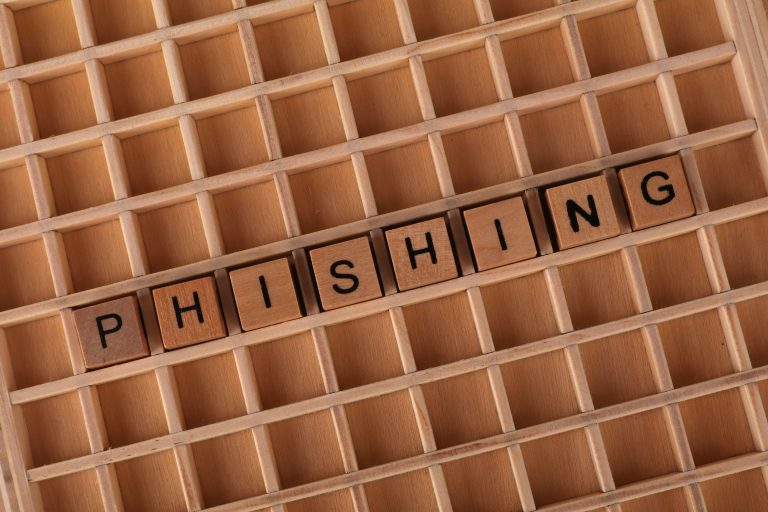
Practicing good cyber hygiene is as essential as locking one’s front door. Simple actions can significantly reduce risk. These include using multifactor authentication, enabling automatic software updates, and avoiding unknown or unsolicited links. Consumers are encouraged to adopt these habits to protect their finances, identities, and privacy.
Key Steps for Enhanced Personal Cybersecurity
To bolster personal digital defenses, individuals can implement several straightforward changes. Creating strong, unique passwords for each account is a fundamental step. Utilizing a passphrase or a password manager can aid in generating and remembering these complex credentials.
Enabling multifactor authentication adds a critical layer of security, ensuring accounts remain protected even if a password is compromised. Setting software to install updates automatically is also vital. These updates often address newly discovered vulnerabilities, offering protection against emerging threats.

Consumers should exercise caution with unexpected links or attachments. Changing the default password on home Wi-Fi routers and enabling encryption, if available, further secures home networks. Information on these steps can often be obtained from internet service providers.
Making social media accounts private can prevent malicious actors from using personal photos or videos to create deceptive AI-driven impersonations. This is particularly relevant as artificial intelligence capabilities advance, as seen in cases where Google’s Gemini AI accessed real company systems without authorization.
Organizational Resources for Cybersecurity Education
Organizations looking to enhance their members’ or audiences’ understanding of cybersecurity can access valuable resources. The Wisconsin Department of Agriculture, Trade and Consumer Protection (DATCP) offers free toolkits, including “Cybersecurity for Consumers” and “Cybersecurity for Business.” These can be downloaded from DATCPOutreachToolkit.wi.gov.
The need for robust cybersecurity measures extends to critical infrastructure as well. Experts in water plant cybersecurity have described their work as chasing a moving target, underscoring the dynamic nature of threats in this sector. This highlights the ongoing effort required to maintain security across various industries.
As digital interactions continue to grow, proactive cybersecurity becomes increasingly important for individuals, families, and businesses alike. Small adjustments to daily habits can make a substantial difference in mitigating risks and safeguarding personal and financial information. The ongoing evolution of threats means that continuous vigilance and adaptation are key to staying secure online.