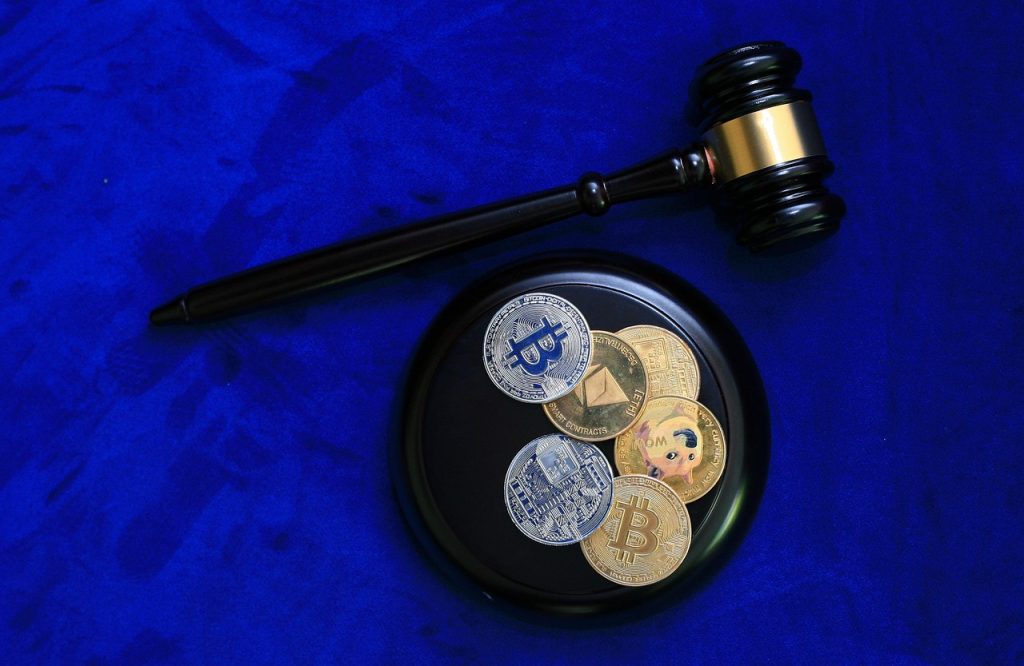
Two influential groups have urged the U.S. Securities and Exchange Commission (SEC) to withdraw or significantly revise a proposed framework for crypto assets, citing concerns about investor protection and the potential for fraud. The proposals, outlined in comment letters, suggest the SEC is prioritizing the crypto industry’s interests over established investor safeguards.
A group of law professors known as the “Shadow SEC” and the watchdog organization Better Markets have both submitted critical feedback on the SEC’s proposed “Regulation Crypto Assets.” This framework is intended to govern non-security crypto assets that are considered investment contracts. Both letters argue that the proposal overreaches in carving out crypto assets from certain registration and disclosure rules, and that the SEC has not adequately justified these exceptions.
The Shadow SEC, comprising professors John Coates, John C. Coffee, Jr., James D. Cox, Merritt B. Fox, and Joel Seligman, stated that the proposal is “deeply flawed.” They contend that the SEC has not made a case for treating an investment contract differently simply because it is based on a digital asset. The professors also criticized the proposal’s reliance on principles-based disclosure, arguing that existing regulations already offer flexibility and that material information required for crypto investors could be addressed under Regulation S-K.

Furthermore, the Shadow SEC pointed out that the SEC appeared to heavily consider comments from industry participants interested in reduced disclosure, without adequately addressing the increased risk of fraud in crypto offerings. “Resale, as the Securities Act clearly directs, requires either registration or an exemption. It does not permit the creation of a new breed of sacred cows regardless of how much industry commenters would prefer this,” the professors wrote.
Better Markets echoed many of these concerns, advocating for the outright withdrawal of the proposal. The group emphasized that registration is the default rule under the Securities Act, and there is no evidence that crypto offerings carry less risk than traditional investments. In fact, Better Markets asserted, “the evidence establishes the opposite.” The organization also questioned the SEC’s assertion that applying the Howey test to crypto assets is difficult, noting that courts have consistently found crypto assets to be securities.
“The SEC is not supposed to ‘facilitate capital formation’ by making it as easy as possible for issuers to raise money from an unsuspecting public,” Better Markets stated in its comment letter. The group criticized the proposal for arbitrarily singling out investment contracts involving blockchain technology, while other industries seeking easier capital-raising have not received similar tailored regimes.

Both Better Markets and the Shadow SEC expressed concern that proposed exemptions within the regulation, particularly those related to startups and fundraising, are inconsistent with robust investor protection. They argued that these exemptions could lead to less transparency and make it difficult for investors to compare offerings. Better Markets specifically highlighted a safe harbor provision that allows issuers to determine when federal securities laws no longer apply, calling it an invitation for confusion and reduced disclosures when investors need information most.
The comment letters also raised questions about the SEC’s authority to create such a tailored offering regime and its basis for preempting state law. The Securities Regulation Daily covered these developments on October 21, 2026. The SEC has not yet announced its next steps regarding the proposed regulation.
The debate highlights the ongoing tension between fostering innovation in the digital asset space and ensuring adequate investor protection under existing securities laws. The SEC’s proposed framework has ignited a critical discussion about the future of regulation for crypto assets.
The SEC’s proposed framework for crypto assets has drawn sharp criticism from legal scholars and financial watchdogs. Concerns center on whether the proposal adequately protects investors from fraud and whether it unfairly favors the crypto industry over established securities regulations. The critique suggests the SEC may be deviating from its mandate to protect the public.
The Shadow SEC, a collective of law professors, argued that the proposed “Regulation Crypto Assets” fails to justify treating digital investment contracts differently. They believe existing disclosure rules can accommodate the needs of crypto investors, and that the proposal overemphasizes industry preferences for reduced transparency. The group urged the SEC to repropose the regulation at a minimum.
Better Markets, an industry watchdog, called for the proposal’s complete withdrawal. The organization contends that crypto offerings present significant risks, and the SEC should not facilitate capital formation at the expense of an “unsuspecting public.” They challenged the SEC’s claims about the difficulty of applying securities law tests to crypto assets.
The debate over “Regulation Crypto Assets” underscores the complex challenges regulators face in adapting existing securities laws to rapidly evolving digital asset markets. The SEC’s response to these critical comments will shape the regulatory landscape for crypto investments.
Better Markets and the Shadow SEC have urged the SEC to withdraw or repropose its framework for crypto assets. They argue the proposal inadequately addresses fraud risks and favors the crypto industry. The SEC has yet to announce its next steps.
Frequently asked questions
What is Regulation Crypto Assets?
Regulation Crypto Assets is a proposed framework by the U.S. Securities and Exchange Commission (SEC) designed to govern non-security crypto assets that are considered investment contracts. It aims to establish rules for their registration and disclosure.
Why are the Shadow SEC and Better Markets opposing the proposal?
These groups argue that the proposal inadequately addresses the risk of fraud in crypto offerings and that the SEC has not justified making exceptions for crypto assets from existing registration and disclosure rules. They believe the proposal favors the crypto industry over investor protection.
What specific criticisms do the groups have?
The Shadow SEC believes the SEC hasn’t made a case for treating digital investment contracts differently and that existing rules are sufficient. Better Markets argues the proposal facilitates capital formation at the expense of an unsuspecting public and questions the SEC’s assertions about the difficulty of applying securities law tests to crypto.
What do the groups want the SEC to do?
Both the Shadow SEC and Better Markets have urged the SEC to either repropose the regulation or withdraw it entirely. They believe the current proposal is deeply flawed and does not serve the best interests of investors.
What is the SEC's stated goal with this proposal?
While not explicitly stated in the provided sources, the proposal is framed as a framework for non-security crypto assets subject to an investment contract. However, critics like Better Markets suggest the SEC is focused on facilitating capital raising, potentially at the expense of investor protection.