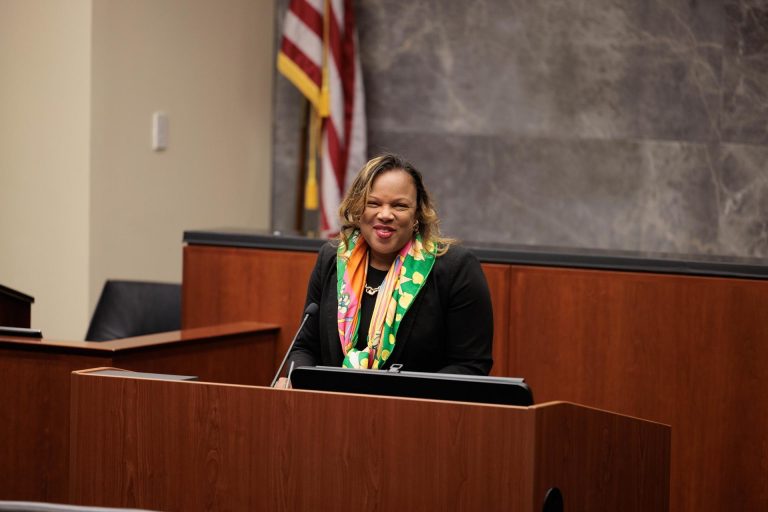
Trump’s Democratic SEC nominee Kristin Johnson told senators the agency should use formal rulemaking to address its tokenization policy. At a November 19 confirmation hearing, she said the SEC should revisit its tokenization “innovation exemption” through a process that includes public comment.
Johnson’s testimony described her preferred process, not a new rule or a change in the agency’s current policy. The SEC has already granted an exemption for tokenized securities, according to the source account, while a formal rule remains a possible next step. Johnson said she would welcome a rulemaking, particularly because market participants and registrants had raised concerns.
Trump’s Democratic SEC Nominee Calls for Public Comment
Johnson argued that notice-and-comment rulemaking helps improve regulation and is required for independent federal market regulators developing rules. She said the concerns came from companies objecting to having their stock offered under the SEC’s new tokenization approach. Her comments put the question of public participation at the center of the hearing.

The proposal under discussion is not described as an enacted SEC rule. Johnson was a nominee at the hearing, and her remarks expressed how she believed the agency should approach the matter if she joins the commission. The existing exemption is time-limited and narrow, Republican nominee Steven Levine told the committee.
Levine Points to a Possible Rulemaking Path
Levine said innovations such as exchange-traded funds began with exemptive orders that ultimately led to agency rulemaking. SEC Chairman Paul Atkins has said the agency has formal rulemaking in mind after testing the waters with the exemption. Those comments describe a potential sequence, not a completed rulemaking or a guarantee that one will follow.
The debate fits within wider scrutiny of crypto regulation. The CFTC’s proposed crypto rules offer a related example of regulators considering formal frameworks for digital asset activity. The SEC’s exemption and the CFTC proposal are separate agency actions.

Nominees Face Questions on Other Digital Markets
Senators also questioned Johnson and Levine about prediction markets and perpetual futures tied to single stocks. Senator Catherine Cortez Masto accused prediction-market firms of illegally trading security-based swaps as equity-based perpetuals. Levine did not commit to a position. Johnson said the issue raised important questions about the commission’s jurisdiction and authority.
Johnson’s prepared remarks also raised concerns about conflicts of interest, data governance and accountability as artificial intelligence, tokenization, stablecoins and decentralized platforms develop. She said her work in digital asset markets had focused on governance, conflicts rules and keeping customer assets separate. Those statements described areas of focus, not adopted SEC requirements.
Other coverage has tracked objections to the SEC’s crypto approach, including a separate SEC proposal debate. Tokenization of real-world assets is also drawing attention, as shown in coverage of an IOSCO report on tokenized assets. These related stories provide context, but they do not establish the status or outcome of Johnson’s proposal.
Senate Committee Must Decide Whether to Advance Nominees
The Senate Banking Committee must weigh the nominees’ suitability and decide whether to advance them for a confirmation vote by the full Senate. The source account said that vote was expected soon. Johnson and Levine were nominated alongside three others for positions at Treasury and the Department of Transportation.
The SEC is intended to have five commissioners. If Johnson and Levine are confirmed, the commission would grow from its current two members to four, with three Republicans and one Democrat, according to the source. The committee’s next decision concerns the nominations; Johnson’s call for formal rulemaking remains testimony, and no enacted SEC tokenization rule is reported.
For now, the agency’s time-limited exemption remains distinct from the formal rulemaking Johnson urged. Any rule would require a separate agency process, including the public comment period she said would let affected market participants weigh in.
Johnson’s tokenization rulemaking comments were made during the Senate Banking Committee hearing.